Published by: Champion Petfoods Global Digital Team
Reviewed by: Champion Petfoods Global Marketing Team, Nutrition Research Scientist and/or our Research Veterinary Technician
4 Key Takeaways
- While a stolen bite isn't toxic, kittens require specific nutrients for rapid growth that adult diets lack.
- Understanding when can kittens eat adult cat food ensures they get the right fuel for their development.
- ACANA™ recipes are crafted with exceptional animal protein to support your cat's health at every life stage.
- Transitioning to adult food should happen carefully around one year of age to avoid digestive upset.
Can Kittens Eat Adult Cat Food? Understanding Nutritional Risks and Needs
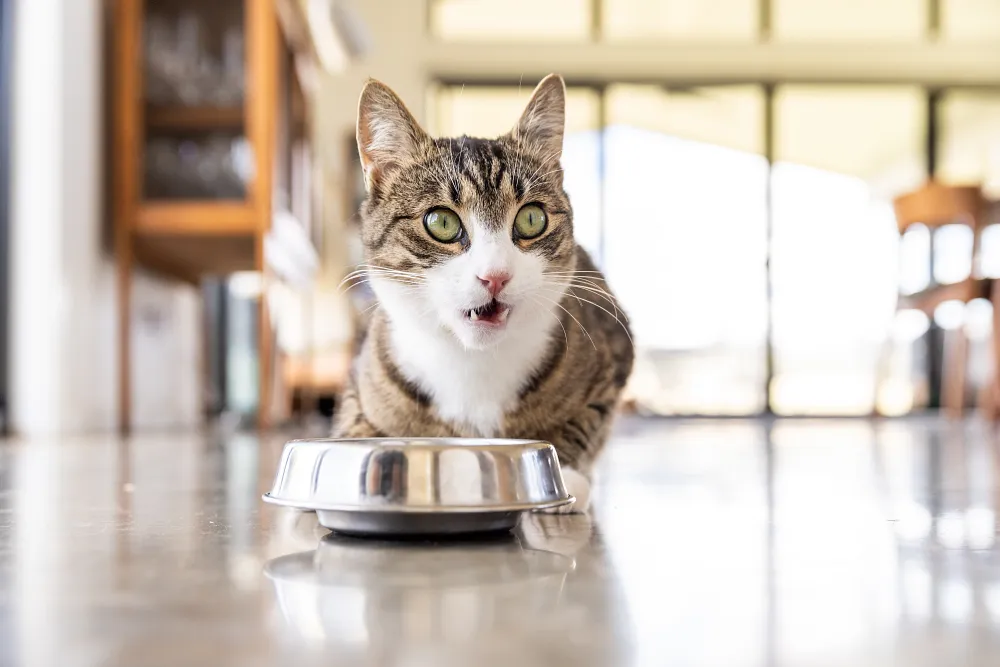
It happens to the best of us. You turn your back for one moment, and your curious new kitten is happily munching away at your older cat's bowl. Your immediate thought is likely a panicked, "can kittens eat adult cat food?" Take a deep breath. We are here to help you navigate this journey with refreshing honesty and a genuine love for pets.
First, let us validate your concern. You want to give your pet the best life possible, and food is an act of care. What you feed your pets reflects how you feed yourself—you look for exceptional ingredients, real food, and no junk. So, when your kitten eats something they shouldn't, it is completely normal to worry. You are a dedicated pet parent, and your vigilance is exactly what your growing companion needs.
The good news is that adult cat food is not toxic to kittens. However, there is a massive difference between a food that is simply safe and a food that provides the optimal fuel for a growing body. Kittens are essentially tiny athletes, growing at an astonishing rate. They need a diet that is incredibly nutrient-dense to support bone development, brain function, and boundless energy. Adult cat food is formulated for maintenance, not for this explosive growth phase. It lacks the specific nutritional profile required to help your kitten thrive.
The Short Answer: can kittens eat adult cat food temporarily?
If you are wondering, can kittens eat adult cat food temporarily, the short answer is yes, but it is far from ideal. A single stolen meal is not a medical emergency. You do not need to rush to the vet if your kitten sneaks a few bites of an adult recipe. We know how easy it is to panic, but rest assured, a small amount of adult food will not cause immediate harm.
However, relying on adult food for any extended period is where the problems begin. Adult formulas have a lower caloric density compared to kitten formulas. Kittens have small stomachs but massive energy requirements. They physically cannot eat enough adult food to get the calories and nutrients they need for their rapid growth. Think of it as the difference between survival food and thriving food. You want your kitten to thrive, fueled by exceptional meals made with exceptional ingredients.
Why Adult Food Doesn't Make the Cut: Specific Nutrient Deficiencies
To truly understand why adult food falls short, we need to look at the specific nutrient deficiencies. Kittens require significantly higher levels of protein and fat than adult cats. Every recipe starts with fresh or raw quality animal protein because that is what cats, as obligate carnivores, need. But kittens need even more of it to build strong muscles and tissues. Their bodies are working overtime to develop, and they need the right building blocks.
Beyond protein and fat, kittens need critical micronutrients. Calcium and phosphorus are essential for developing strong bones and teeth. DHA, an omega-3 fatty acid, is crucial for brain and vision development. Adult cat foods simply do not contain these nutrients in the concentrations required for a growing kitten.
Long-term feeding of adult food to a kitten can lead to physical risks, such as stunted growth or poor immune system development. This is why choosing the right food is so important. ACANA™ diets are crafted without compromise. Our All Life Stages Diet offer a unique approach, formulated to safely support cats from kittenhood through their senior years, providing the rich, whole food nutrition they need at every step.
At What Age Can Kittens Eat Adult Cat Food?
This brings us to the timeline. what age can kittens eat adult cat food? Generally, the standard growth milestone for transitioning to adult food is around one year of age. By 12 months, most kittens have reached their mature size, and their metabolic rate begins to slow down. They no longer need the intense caloric density of a kitten-specific diet.
However, there are breed-specific nuances. Larger breeds, like Maine Coons, may continue growing until they are three or even four years old, meaning they might benefit from a growth-focused diet for a longer period. Conversely, switching a standard-sized cat to adult food too late can lead to obesity, as they no longer need the high caloric density of kitten food.
So, at what age can kittens eat adult cat food? For the vast majority of cats, their first birthday is the perfect time to celebrate with a transition to a premium adult recipe.
Texture and Hydration: can kittens eat adult cat food wet?
Many pet parents also ask, can kittens eat adult cat food wet? Wet food is fantastic for hydration, which is incredibly important for cats. The soft texture of wet food is also easier for tiny kitten teeth to manage than large kibble.
However, the texture does not change the nutritional profile. Even if it is wet, adult cat food remains insufficient for a growing kitten's needs. Furthermore, some adult stews contain large chunks of meat that could act as choking hazards for small mouths.
If you want to provide wet food, choose a recipe like Chunks in Broth for Kittens specifically crafted for kittens. This ensures they get both the hydration they need and the nutrient-dense fuel required for their development.
The ACANA™ Distinction: Fueling Growth with Quality Ingredients
At ACANA, we are relentlessly committed to our craft. We believe that 'good enough' has never been good enough. Our approach to kitten nutrition is ingredient-led and thoughtful. We stubbornly source exceptional ingredients like whole fresh fruits, vegetables, and botanicals, combined with high-quality animal protein.
We focus on whole animal inclusion—using meat, organs, and bone—to provide a rich source of essential nutrients. This means we do not have to rely on heavy synthetic supplementation. Our recipes are crafted ingredient by ingredient to ensure your pet receives peak biological nutrition.
We know you care about where your pet's food comes from. That is why we prioritize transparency and craftsmanship. Every bowl of ACANA™ food delivers the complete, balanced nourishment your companion needs for vibrant health and joyful adventures.
Making the Transition Safely
The key takeaway is simple: keep your kitten on a growth-appropriate diet until they reach maturity. When the time comes to switch, do it slowly. A sudden change in diet can cause digestive upset.
Start by mixing a small amount of the new adult food with their current kitten food. Over the course of 5 to 7 days, gradually increase the proportion of the new food while decreasing the old food. Monitor your cat's body condition and stool quality during this transition. Every cat is unique, and some may need a slightly longer transition period.
By choosing exceptional meals made with exceptional ingredients, you are setting the foundation for a healthy, vibrant life.
Frequently Asked Questions
Can kittens eat adult cat food if I run out of kitten food?
Yes, if you are in a pinch, your kitten can eat adult cat food for a day or two. However, you should return to a nutrient-dense kitten formula as soon as possible to ensure they get the fuel they need for rapid growth.
When can kittens eat adult cat food permanently?
Most kittens can transition to adult cat food permanently around 12 months of age. Larger breeds may need to stay on kitten food longer. Always consult your veterinarian if you are unsure.
What age can kittens eat adult cat food without risking nutritional deficiencies?
By one year of age, a kitten's growth has slowed significantly, and they can safely eat adult cat food without risking the nutritional deficiencies associated with feeding adult food to a growing kitten.
At what age can kittens eat adult cat food if they are a large breed?
Large breeds like Maine Coons may continue growing until they are 3 to 4 years old. It is often recommended to keep them on a kitten or all-life-stages diet longer than the standard 12 months.
Can kittens eat adult cat food wet instead of dry kitten food?
While wet food provides excellent hydration and is easy to chew, adult wet food still lacks the specific nutrient profile kittens need. It is best to feed them wet food that is specifically formulated for kittens.