Key Takeaways
-
Feeding raw meat requires careful handling and expert formulation to avoid safety risks and nutritional gaps.
-
Dogs thrive on high-quality animal protein, including muscle meat, organs, and cartilage for complete nutrition.
-
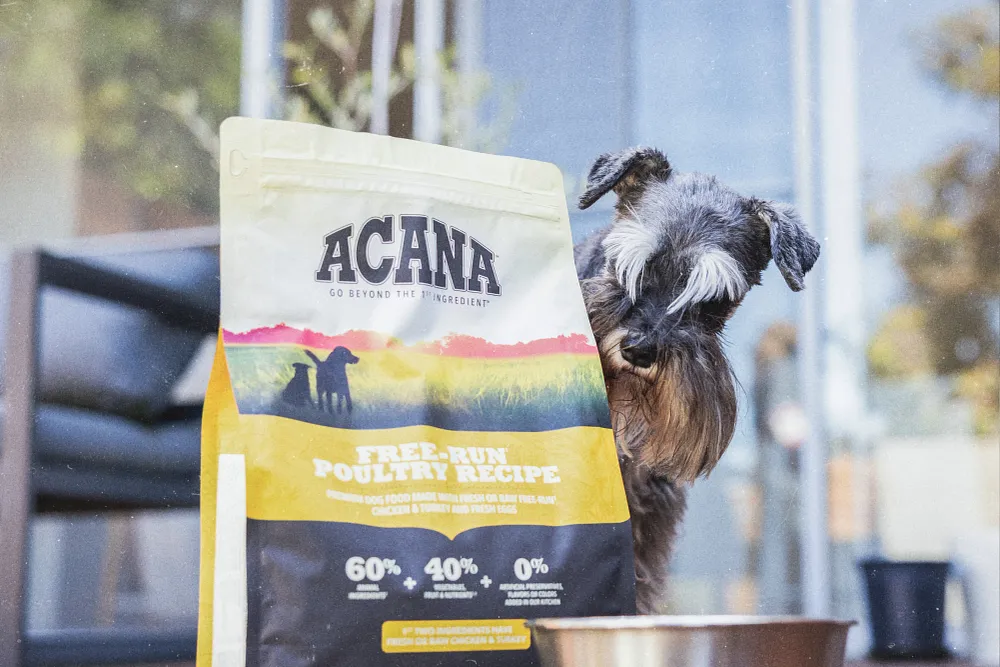
ACANA™ pet food uses fresh or raw ingredients that are safely cooked to provide the benefits of raw-inspired nutrition without the risks.
-
A meat-rich, scientifically balanced kibble offers the convenience and peace of mind that many pet parents seek.
Can Dogs Eat Raw Meat? Understanding Benefits and Risks
If you are a pet parent who views food as an act of care, you have likely wondered, can dogs eat raw meat? It is a question that comes up often as more people seek out ancestral-style feeding for their companions. You want to give your dog the best life possible, and that starts with exceptional ingredients. The idea of feeding a diet that closely mirrors what their ancestors ate is appealing. However, the answer to “Can dogs eat raw meat?” is not a simple “yes” or “no.” It involves a complex balance of nutritional benefits and significant safety variables.
The ACANA™ brand team understands the desire to feed your dog real, high-quality meat. We share your passion for exceptional ingredients and culinary excellence. We also know that food safety is paramount. While dogs have biological adaptations that allow them to process raw meat differently than humans, feeding a completely raw diet at home presents unique challenges. Let’s explore the biology, safety protocols, and nutritional nuances of meat-based diets to help you make the best choice for your dog’s vibrant life.
When we look at the history of our canine companions, it is easy to see why the raw food movement has gained traction. Dogs are descendants of wolves, and their bodies are built to process animal protein efficiently. Their sharp teeth are designed for tearing meat, and their digestive systems are optimized for extracting nutrients from animal sources. This biological reality is what drives many pet parents to ask, can dogs eat raw meat? They want to honour their dog’s heritage and provide a diet that feels authentic and true to their nature.
However, the modern dog lives a very different life than their wild ancestors. They sleep in our homes, play in our parks, and share our living spaces. This close proximity means that the food we bring into our homes must be safe for everyone. The raw meat available at the grocery store is not the same as the fresh prey a wolf might consume in the wild. It has been processed, transported, and stored in ways that can introduce bacteria. This is why the question of whether can dogs eat raw meat is so nuanced. It is not just about what a dog can digest; it is about what is safe and practical for a modern household.
The Safety Debate: Risks of Raw Feeding at Home
When considering how can dogs eat raw meat, it is crucial to understand the logistical challenges of home preparation. Handling raw meat in your kitchen requires meticulous hygiene to prevent the spread of foodborne pathogens like Salmonella and E. coli. These bacteria can pose risks not only to your dog but also to the human members of your household. If you have young children, elderly family members, or anyone with a compromised immune system in your home, the risks associated with handling raw meat are magnified.
Beyond the immediate safety concerns, there is the challenge of nutritional adequacy. Attempting to DIY a raw diet without veterinary oversight can lead to significant nutritional gaps. A dog’s diet requires a precise balance of proteins, fats, vitamins, and minerals to support their energetic lives. Muscle meat alone is not enough. Without expert formulation, a homemade raw diet might lack essential nutrients, potentially impacting your dog’s long-term health. We highlight these risks not to fear-monger, but to emphasize the importance of expert formulation and rigorous safety testing in pet nutrition.
Creating a balanced raw diet at home is a complex undertaking. It requires a deep understanding of canine nutrition and access to a wide variety of ingredients. You need to source high-quality muscle meat, organ meats, and bone, and you need to know exactly how much of each to include. Even a small miscalculation can lead to deficiencies or excesses that can cause health problems over time. For example, an imbalance of calcium and phosphorus can affect bone health, while a lack of essential fatty acids can impact skin and coat condition. This is why many experts caution against DIY raw diets and recommend commercially prepared options that have been formulated by animal nutritionists.
Can Dogs Eat Raw Beef, Chicken, and Other Proteins?
You might be wondering, can dogs eat raw beef, chicken, or lamb? Different protein sources offer unique nutritional profiles. Beef is rich in essential amino acids and iron, while poultry provides lean protein, and lamb offers a distinct flavour profile that many dogs love. Variety in protein sources is beneficial for taste and can be a great way to introduce rotational feeding, keeping mealtime exciting for your dog.
However, a truly nourishing diet goes beyond just muscle meat. To achieve nutrient density, it is important to include organ meats like liver and heart, as well as cartilage. These ingredients provide vital vitamins and minerals in their most bioavailable forms. If you are looking for a safe, high-quality beef option, consider our ACANA™ Singles Beef with Pumpkin Recipe. It is crafted with care to deliver the specific protein your dog craves, balanced with wholesome vegetables for complete nutrition.
When exploring different protein options, it is also important to consider the source and quality of the meat. Not all meat is created equal, and the nutritional value can vary depending on how the animal was raised and what it was fed. This is why we place such a strong emphasis on sourcing exceptional ingredients from trusted suppliers. We believe that the quality of the ingredients directly impacts the quality of the nutrition, and we are committed to providing the best possible food for your dog.
The ACANA™ Approach: Fresh Ingredients, Safely Prepared
So, why can dogs eat raw meat in the wild, but we urge caution at home? It comes down to the controlled environment of modern food preparation. ACANA bridges the gap between the desire for raw-inspired nutrition and the need for uncompromising safety. We start with exceptional ingredients, including fresh or raw animal protein. In our kitchens, “fresh” means the ingredient is refrigerated as its sole method of preservation, while “raw” means it is frozen at its peak to lock in nutrients.
These high-quality ingredients are then thoughtfully cooked. This method offers the best of both worlds: the high meat inclusion and rich flavour of a raw-inspired diet, without the pathogen risks associated with raw feeding. Our recipes are meticulously crafted to include meat, organs, and cartilage in ratios that mimic whole food nutrition. For example, our ACANA Red Meat Recipe showcases a product that delivers multiple premium meat sources in a safe, convenient, and irresistible format.
Our commitment to quality extends beyond just the ingredients we use. We also employ rigorous safety protocols throughout the manufacturing process to ensure that every bag of food we produce meets the highest standards of safety and quality. We test our ingredients before they enter our kitchens, and we test our finished products before they leave. This comprehensive approach to safety gives pet parents the peace of mind they need when feeding their dogs.
Choosing the Right Diet for Your Dog’s Needs
Ultimately, choosing the right diet involves weighing the trade-offs. Raw feeding requires high effort and carries potential safety risks, while premium kibble offers convenience, safety, and nutritional consistency. When evaluating pet food, look for high animal ingredient inclusion as a primary indicator of quality. Remember that “raw” describes an ingredient state, but “nutrition” is the total outcome of how those ingredients are combined and prepared.
For many devoted pet parents, a meat-rich, scientifically balanced kibble offers peace of mind. It ensures your dog receives the complete, balanced nourishment they need for joyful adventures, without the worry of handling raw meat daily. We invite you to explore the full range of ACANA™ Dog Food to find the perfect high-protein option that fuels your dog’s boundless energy and supports an amazing, full life.
Whether you are hiking in the Rockies, strolling through a local park, or just relaxing at home, you want to know that your dog is getting the nutrition they need to thrive. By choosing a diet that is rich in high-quality animal protein and carefully formulated for complete nutrition, you can help your dog live their best life. And with the convenience and safety of a premium kibble, you can spend less time worrying about food preparation and more time enjoying the special bond you share with your canine companion.
Frequently Asked Questions
Why can dogs eat raw meat but humans can’t?
Dogs have a shorter digestive tract and higher stomach acidity than humans, which helps them process raw meat and neutralize some bacteria more effectively. However, this does not make them immune to all foodborne pathogens, which is why safe preparation is essential.
How can dogs eat raw meat safely at home?
Feeding raw meat safely at home requires strict hygiene practices, including sanitizing all surfaces and bowls, and sourcing high-quality, pathogen-tested meat. Due to the risks of nutritional imbalance and bacterial contamination, many pet parents choose safely cooked, high-protein alternatives like ACANA™ brand dog food.
Can dogs eat raw meat from the grocery store?
While dogs can digest beef, raw meat from the grocery store is intended to be cooked before human consumption and may contain bacteria that can cause illness. It is not formulated to provide a complete and balanced diet for a dog.
What are the risks of feeding a DIY raw diet?
The primary risks of a DIY raw diet include potential exposure to harmful bacteria (like Salmonella or Listeria) for both the pet and the family, as well as the high likelihood of creating a diet that lacks essential vitamins and minerals needed for long-term health support.
How does ACANA™ incorporate raw ingredients into its recipes?
ACANA recipes start with fresh or raw quality animal protein. These exceptional ingredients are then carefully cooked in our kitchens to lock in rich flavours and vital nutrients while ensuring the food is completely safe and nutritionally balanced for your pet.
Published by: Champion Petfoods Global Digital Team
Reviewed by: Champion Petfoods Global Marketing Team and Veterinary & Nutrition Science Experts